Archive for category ‘Therapy‘

Gluten intolerance in Finland has doubled

The occurrence of gluten intolerance in the Finnish population has doubled in the past twenty years. In the early 1980s, about one per cent of adults in Finland had gluten intolerance, but the figure has since gone up to two per cent by the 2000s.

“We’ve already seen a similar trend emerge earlier on where allergies and certain autoimmune disorders are concerned. Screening has shown that gluten intolerance occurs in 1.5 per cent of Finnish children and 2.7 per cent of the elderly. The higher figure for older people is explained by the fact that the condition becomes more frequent with age,” says Professor Markku Mäki. Mäki has set up an internationally acclaimed research team on gluten intolerance, developing screening tests for gluten intolerance. Mäki is head of a research project in the Academy of Finland’s Research Programme on Nutrition, Food and Health (ELVIRA).

According to Mäki, gluten intolerance may often be symptom-free, and people may be unaware that they have the condition if their symptoms are mild or atypical. Three out of four people with gluten intolerance have not been diagnosed, which also means that they are as yet going without treatment.

Better diagnosis methods needed

Mäki’s research team has concluded that the criteria for diagnosing gluten intolerance must be rewritten, since early stages of the condition do not meet the criteria, yet is important to treat. The current criteria for diagnosis focus on damage to the intestinal villi and the small intestine, established in a tissue sample from the small intestine. However, early stages of gluten intolerance are not identifiable from tissue samples.

People may suffer from gluten intolerance, yet have no intestinal symptoms. They may, however, have symptoms unrelated to the intestinal tract. Serious problems with nutrient absorption have become rare; instead, sufferers generally have anaemia due to iron deficiency or folic acid deficiency as their main symptom. If researchers manage to develop sensitive, accurate antibody tests, it will become possible to identify people with early stages of gluten intolerance, who are in need of further treatment. At present, there is no single test to reliably identify early stages of gluten intolerance.

Sufferers are hoping for a diagnosis method that does not involve endoscopy. Researchers are hard at work, looking for new and better markers for gluten intolerance to allow for easier diagnosis of the condition.

Patients are also hoping for an ‘anti-gluten pill’. Mäki says that some form of pill with enzymes that break down gluten may prove feasible in the future.

Literature: Academy of Finland, Gluten intolerance in Finland has doubled, March 5, 2010

Bitter melon extract attacks breast cancer cells

Early Saint Louis University research points to promising area of research

ST. LOUIS — The extract from a vegetable that is common in India and China shows promise in triggering a chain of events that kills breast cancer cells and prevents them from multiplying, a Saint Louis University researcher has found.

Ratna Ray, Ph.D., professor in the department of pathology at Saint Louis University and lead researcher, said she was surprised that the extract from the bitter melon she cooks in stir fries inhibits the growth of breast cancer cells.

“To our knowledge, this is the first report describing the effect of bitter melon extract on cancer cells,” Ray said. “Our result was encouraging. We have shown that bitter melon extract significantly induced death in breast cancer cells and decreased their growth and spread.”

Ray said she decided to study the impact of bitter melon extract on breast cancer cells because research by others have shown the substance lowers blood sugar and cholesterol levels. Bitter melon extract is commonly used as a folk medicine to treat diabetes in China and India, she said.

Ray conducted her research using human breast cancer cells in vitro – or in a controlled lab setting. The next step, she says, is to test bitter melon extract in an animal model to see if it plays a role in delaying the growth or killing of breast cancer cells. If those results are positive, human trials could follow.

While it’s too early to know for sure whether bitter melon extract will help breast cancer patients, the question is worth studying, Ray said.

“There have been significant advances in breast cancer treatment, which have improved patient survival and quality of life. However women continue to die of the disease and new treatment strategies are essential,” Ray said.

“Cancer prevention by the use of naturally occurring dietary substances is considered a practical approach to reduce the ever-increasing incidence of cancer. Studying a high risk breast cancer population where bitter melon is taken as a dietary product will be an important area of future research,” Ray said.

She cautioned against seeing bitter melon extract as a miracle cure for breast cancer.

“Bitter melon is common in China and India, and women there still get breast cancer,” Ray said.

Reference: Saint Louis University, Bitter melon extract attacks breast cancer cells, 23-Feb-2010

Picture: St. Louis University

A New Pediatrics to Heal Sick Children and Keep Well Kids Healthy

Child at Doctor - integrative Medicine keeps healthier

If your baby were suffering from colic, would you treat him with artificially dyed and sweetened simethicone (the chemical in drugs such as Mylanta and Mylicon) or first try an emulsion of fennel seed oil?  If your young daughter developed a persistent rash, would you prefer the doctor to prescribe antihistamines or a diet rich in omega fatty acids?

More and more, it’s likely you’d give the second choice a try. The big news is that mind-body pediatrics has come of age over the past generation. It’s a trend that seems very appropriate for a generation of parents looking for foods without pesticides and cosmetics without solvents.

A major symptom of its acceptance is the publication of the first textbook book on Integrative Pediatrics, edited by the avuncular and reassuring Dr. Andrew Weil, the U.S.’s best known non-conventional medicine practitioner and spokesperson.   The august National Institutes of Health has set up a center devoted to its study while the American Academy of Pediatrics has formed a practitioners’ Section.  And you can now find pediatricians across the nation who will use integrative practices to care for your children (click on hyperlink to members, select Section on Complementary and Alternative, for a listing by zip code; also www.aaemonline.org).

This kind of medical care works to keep children well by instilling a long-life pattern of healthy living and by treating simple problems such as ear aches without resorting to the overuse of drugs.  It particularly lends itself to caring for children with chronic illnesses, such as cancer, juvenile arthritis, obesity, asthma and developmental disorders such as autism and ADHD, where conventional medicine hasn’t a great track record of cures.  In fact, there’s been a major increase in the number of prescription medications used to treat symptoms of childhood chronic illnesses, despite the absence of data that they are effective in curing the underlying problems.

If the incidence of chronic childhood illnesses continues the upward climb it has taken over the past two decades, and as more families understand the link between prevention and treatment, integrative pediatrics may very well become the standard practice of the future.

Probably only grandmothers like me remember when revered New York Times journalist James Reston, returning from a 1972 reporting trip to China with President Nixon, wrote about his surprising experience in undergoing an emergency appendectomy with acupuncture as the only sedative.  That launched our nation’s first timid and by now vast interest in alternative medicine, from acupuncture to meditation, massage and body manipulation, biofeedback, exercise, nutrition and the use of botanically-based supplements.

Now that these techniques are no longer “alternative” to conventional western medicine but have become pretty much an accepted part of it, they are called “integrative” (meaning they’re integrated into standard practice) or “holistic” or “complementary” or “environmental” (a term especially acknowledging the effect of toxic exposures).

In my interviews with integrative pediatricians, they explain, first and foremost, that the power in holistic practice is their relationship with the child and her family, that healing is inexorably bound to the connection between practitioner and patient.

To create that connection, they spend lots of time meeting and talking and educating.  They build a team with the parents; the pediatrician acts like a quarterback helping the parents navigate the health care system.  In the first months of a child’s life, they focus on frequent well-baby care where they also design individualized schedules for vaccinations and treat problems that may arise, such as colic. These conversations with parents and patient continue as the child grows, so different from the usual harried, cookie-cutter 15-minute consultation.

If you visit Dr. Lawrence Rosen, a 43-year-old MIT grad and Mt Sinai-trained integrative pediatrician, you’ll find his pleasant office in New Jersey a paragon of green construction – the flooring, cabinetry and paint were chosen as the safest, least toxic (his website offers resources on green pediatrics construction based on his research and experiences). Even the staff’s dishware is either glass or nontoxic plastic made from recycled materials. Dr. Rosen explains that “the build-up of low-level toxic exposures is responsible for more illnesses than one-time higher exposure.”  He’s given him practice a name: The Whole Child Center, and he blogs when he can about natural parenting practices.

One of his patients is a ten-year-old girl (let’s call her Jenny) with asthma so severe she was using several different inhalers and several different allergy medications every day. Some of the steroid-based drugs were affecting her appetite and causing weight gain, while their continued use could have threatened her long-term development. Yet she still found it hard to participate in school sports. Jenny also had eczema and food allergies. “Rather than prescribing more medicines to suppress her symptoms, I looked for ways to balance her immune system response,” Dr. Rosen explained. He didn’t remove her from her medications immediately, to avoid an attack, but slowly over time worked with Jenny to integrate complementary therapies.

He started her on a daily probioitic, –which are supplements or foods like yogurt, rich in beneficial live microorganisms such as lactic acid bacteria.  He told her mom to ensure her diet included lots of fruits and vegetables with their healing antioxidants as well as foods with high levels of omega-3 fatty acids. Jenny was encouraged to build up her physical strength by swimming and walks outdoors in nature.  Dr. Rosen also worked with her on relaxation techniques including guided imagery and breathing (“Everyday Blessings: The Inner Work of Mindful Parenting,” by Jon Kabat-Zinn.and his wife, Myla). After careful monitoring, she’s now mostly weaned from her prescription meds, uses an inhaler infrequently, and has achieved her dream of participating in sports. Whereas last year she had missed 40 days of school, this year it was down to five.

A young patient with cancer in remission might be treated with similar practices, to support his immune system and his body’s overall strength and resilience.

“Conventional Western medicine is about fixing disease, mainly acute illnesses. It’s oriented around disease labeling and treatment,” Dr. Rosen says. Integrative pediatricians focus on wellness and innate balance of health.

Author: Alice Shabecoff for CSN – Chemical Sensitivity Network, January 9, 2010

Alice Shabecoff is the co-author with her husband Philip of Poisoned Profits: The Toxic Assault on our Children, published by Random House last year.  See their website, www.poisonedprofits.com

Related article from Alice Shabecoff:

Information Sources:

To my readers: I’m working on a related article that will focus on the way that nutrition can heal developmental disorders such as ADHD and autism.  And another article on how today’s health care system impedes the use of integrative pediatrics.

An Italian Law Proposal for Environmental Illnesses and Disability

Italian-Parliament

MeP DOMENICO SCILIPOTI (IDV): “HOW TO HELP PEOPLE AFFECTED BY ENVIRONMENTAL DISABILITY”

PRESS RELEASE, Rome 21.dec.09

“In order to help people with Environmental Disabilities whose survival and quality of life depend not on drugs, but on avoiding certain environmental factors, today I presented a project of law about this issue”, comments On. Scilipoti. “The law is meant for environmentally triggered diseases such as Multiple Chemical Sensitivity (MCS), involving a loss of tolerance of chemicals, or Electromagnetic Hypersensitivity (EHS), forcing the affected ones to get far from electromagnetic fields emitted by mobiles, Wi-Fi, electric cables, etc. But the law is also meant for genetic, metabolic, neurological or immunological disorders such as fibromyalgia or CFS (involving chemical intolerances) or favism, which gives serious reactions to legumes. Other cases of environmental disability are seen in autism, epilepsy, migraine and lupus that involve reactions to fluorescent lighting”. “It’s important to discuss this law as soon as possible in order to give an answer to these people”, Scilipoti concludes.

LAW PROPOSAL

By the Member of the Chamber DOMENICO SCILIPOTI

“Rules for the Protection of Individuals with Environmental Disabilities”

Submitted December 21, 2009

HONORABLE COLLEAGUES ! – Over the last hundred years the environment of human life has been completely overwhelmed by industrial activities. Before the advent of chemistry, in Nature there were approximately 150 chemicals, while today there are on the market over 100,000 chemicals, most of which are not tested for their long-term effects on health.

At the same time the microwave background in the natural environment was virtually nonexistent and it was derived from extra-planetary sources in a scale of a billionth of a microwatt per square centimetre, while the wireless personal communications produced in the last fifteen years have pushed the EMF levels to tens of micro watts per square centimetre.

Thus, the human body evolved during thousands of years in an environment made of only 150 chemicals and nearly without micro-waves and it is not biologically prepared to protect itself from the sudden increase of these environmental factors, unlike, for example, the defense from ultraviolet rays of the sun that is guaranteed, after centuries of evolutionary selection, by the melanin.

Our society is facing, then, a growing number of new diseases and disorders caused by the use of toxic substances, considered innocuous for decades or whose health effects are still unknown, as well as electromagnetic fields, that are biologically active even if still considered harmless by the actual laws that are based exclusively on the thermal effects of electromagnetic radiation.

In this regard it should be observed that determining the legal limits for exposure to toxic agents or to electromagnetic fields has historically been determined on the basis of studies that are largely funded by the industry and it is scientifically proven that the public health policies arrive too late to consider the advancement of scientific knowledge.

In the case of electromagnetic fields, for example, while there has been an uncontrolled proliferation of wireless communications technologies over the past decade, there is a growing evidence about the non-thermal affects of the exposure to magnetic fields much lower than those admitted by the guidelines, up to the point that independent scientists have on several occasions adopted resolutions to ask for lower legal limits of these fields: Catania Resolution (2002), Benevento Resolution (2006), London Resolution (2007), Venice Resolution (2008), Porto Alegre Resolution (2009).

In 2007 a group of independent scientists founded the BioInitiative Group with the aim to review the studies and to analyze the existing health policies about electromagnetic fields with the point of view of the precautionary principle (www.bioinitiative.org). BioInitiative Report was adopted by the European Environmental Agency in the same year and the conclusions call for a lower safety limits of 0.6 V / m, suggesting that for very high frequency waves the threshold limit of safe exposure could be even thousands of times less than the one in the laws of the most industrialized countries.

In the Resolution about Interim Evaluation of the European Action Plan for Environment and Health 2004-2010, 4th September 2008, the European Parliament has listed multiple chemical hypersensitivity, the syndrome of dental amalgams, electromagnetic hypersensitivity, the sick building syndrome or the Attention deficit and hyperactivity syndrome among children as newly emerging environmental diseases.

Over the past three decades a growing number of people with Multiple Chemical Sensitivity (MCS) and Electromagnetic Hyper-Sensitivity (EHS), two different conditions, but similar because they force those affected to avoid the triggering agents, respectively chemicals and electromagnetic; moreover very these two conditions often overlap.

Multiple Chemical Sensitivity (MCS) is a disorder that involves multi-organ reactions in case of exposure to environmental chemicals at law doses, far below those tolerated by the general population. The diagnostic criteria for the disease were established by an International Consensus in 1999, as a result of a multi-centric study lasted ten years, which was published in Archives of Environmental Health (vol. 54 / 3).

The Consensus defines MCS as:

[1] a chronic condition

[2] with recurring symptoms that occur in a reproducible way

[3] in response to low level exposures

[4] to multiple chemicals that are not related

[5] that improve or disappear when the triggering agents are removed

Later a sixth criterion was added about the symptoms affecting more than one organ or organ system.

The onset of MCS was associated with the exposure to seven classes of chemicals: organic solvents, organochlorine pesticides, carbamates, organochlorine, pyrethroids, mercury, hydrogen sulfide and carbon monoxide (M. Pall, 2009). Substances that can trigger reactions are especially insecticides, pesticides, disinfectants, detergents, perfumes, deodorants, air fresheners, paint, solvents, glues and tar products, wood preservatives, building materials, printed paper, removal of dental amalgam, inks, exhaust fumes from stoves, fireplaces, barbecue, plastic products, drugs, anesthetics, formaldehyde found in furniture, fabrics and new fabrics, fuels, and all that is derived from petrochemicals.

Chemical sensitivity to common products was found in the 15% of the US population and in the 10% of the people in Denmark, while the cases of MCS disability affect 1,5 to 3% of the US population (G. Heuser , 1998). MCS is the cause of many debilitating diseases affecting many body systems: the renal, respiratory, circulatory, digestive, dermal, neurological, musculoskeletal and endocrine-immune systems.

Genetic studies suggest that there is a genetic predisposition to such disease in individuals with genetic polymorphisms of CYP2D6, of the glutathione sulfur transferase, of the NAT2 or of SOD, which are responsible for a reduced capacity of metabolization of xenobiotic substances.

MCS is often mistaken for a common allergy, since the symptoms appear and disappear with the removal of the cause; however its dynamics and its course are completely different because the ability to tolerate chemicals is lost forever.

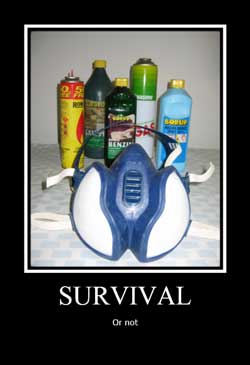
There is no resolving cure for MCS, but international health protocols suggest a the environmental avoidance of chemicals as the best therapeutic approach with no contraindications. Due to this chemical avoidance the MCS patient must therefore change his/her living and working environment, his/her leisure activities while the food must be organic and free of chemical additives or preservatives. This task can be facilitated by the adoption of therapeutic aids such as cotton or paper masks with active carbon or cotton filters, ceramic oxygen masks, activated carbon filters or reverse osmosis water purifiers, all metal cage and active carbon and HEPA filters air purifiers for the car and the house.

In the case of IV type allergy to metals, it was demonstrated an improvement in MCS patients by removing with safe protocol the dental amalgam fillings, or of other prosthetic or dentistry metals. Experimental studies suggest a therapeutic approach designed to lower the body toxic load through a prolonged stay in environmentally controlled unites, by daily physical therapy and heat, and integration therapy to reduce the oxidative stress, which is typically very high in MCS patients.

Since Multiple Chemical Sensitivity can vary greatly from case to case and over time, with people completely disabled and others who suffer with mild symptoms occasionally, the International Consensus in 1999 recommended to characterize each diagnosis with quantitative and / or qualitative impact on life or disability (ie: minimal, partial, total); severity of symptoms (ie: mild, moderate and severe), frequency of symptoms (ie: daily, weekly, monthly), and sensory implications (identifying what sensory systems are involved – olfactory, trigeminal, gustatory, auditory, visual and / or touch, including perception of vibration, pain, and hot or cold – showing a change in sensitivity (more or less) and / or tolerance to normal levels of stimulation both chronically, and in response to exposure to specific chemicals).

In Italy there are already dozens of seriously ill persons with disability pension for MCS at 100%, and some cases of recognition of disability with escort, but these are cases where the disease was at such an advanced stage that there was no doubt about the diagnosis and disability status, while there is the need for a preventive protection and for the recognition of disability even in those who are still employed in order to keep them as long as possible active citizens in society.

In United States MCS is recognized as a disease and disability by ADA (American with Disabilities Act), the U.S. Department of Building and Urban Development, the Environmental Protection Agency (EPA), agencies, commissions, institutions and federal departments, state and local governments, as well as judgments of federal and state courts.

In Germany, Austria and Japan, MCS was included in the International Classification of Diseases of the World Health Organization, ICD-10, with the code T78.4 relating to “unspecified allergy”. The German Ministry of Welfare also equalises MCS to a motor disability.

The Agency for Environmental Protection in Denmark published in 2004 a report on MCS, which concludes that there is ample scientific evidence that chemical sensitivity is caused by environmental factors and the Danish Government has pledged to minimize the use of materials emitting gas in indoor environments in order to prevent the development of this condition.

The diseases that can involve an hyper-sensitivity to chemicals are neurotoxic encephalopathy, encephalitis myalgic or Chronic Fatigue Syndrome (CFS), Fibromyalgia, Hyper-Reactive Airway Syndrome, nonspecific asthma, migraine, Daunderer Syndrome, Sjogren’s syndrome, atopic dermatitis, cancer (especially in case of chemotherapy) and many other conditions.

Another growing environmental disease in recent decades, which incidentally also affects many patients with MCS, is the Electromagnetic Hyper-Sensitivity (EHS), which involve multi-organ reactions to electromagnetic fields in everyday life, such as those emitted by power lines at high voltage (power lines), radio and television transmitters, by household appliances and business tools (eg. video terminals) and, especially, by mobile phones and by mast stations. It is a condition that can lead to troublesome and occasional symptoms up to a serious illness resulting in the reduction or loss of earning capacity and to a deterioration in the quality of life.

“Double blind” scientific studies showed that EHS subjects were able to correctly recognize the presence of electromagnetic fields and they suffered the symptoms they attributed to these fields, as a result of provocation. Moreover, in recent years, more and more experimental evidence support the objectivity of “Electromagnetic diseases” and their possible molecular, cellular and functional basis. Prof. Olle Johansson at the Karolinska Institute in Sweden discovered, in particular, an increase of mast cells and other substances secreted by them in samples of skin of the face of EHS people posed in front of computer screens. Mast cells play a role in allergic, hypersensitivity and anaphylactic reactions, but also in the production of substances responsible for vasodilation and contraction of the muscle and they might be responsible for stroke-like symptoms reported by some EHS individuals after the exposure to electromagnetic fields.

In Sweden, where according to some researchers EHS affects up to the 10% of the population, the Ministry of Health and Welfare (Socialstyrelsen) recognized the condition as a “reduced capacity that makes a person unfit in their relation to the environment” and suggests doctors to classify this condition with the International Classification of Diseases with the Code R68.8 ICD, related to “Other specified general symptoms and signs of illness” (Socialstyrelsen, enheten klassifikationer och för terminologists 2009-03 — 09 Dnr 55-2573/2009). The EHS subject then receives grants to improve his/her living or work environment, for example by shielding with paint or tents, or in severe cases with an accommodation away from electromagnetic sources.

In Canada EHS is recognized as a debilitating condition and there is also help from the pension system for the seriously ill cases.

In United States EHS is listed under the law for disability ADA (Americans with Disabilities Act).

The WHO believes that the EHS involves 1 to 3% of the population, while other estimates produced in 2005 by the Research Institute of Social and Preventive Medicine, University of Berne, Switzerland, indicated an incidence of 5% of EHS Swiss people. According to Gino Levis, former professor of Environmental Mutagenesis at the University of Padua, and permanent member of the Commission Toxicology at the National Institute of Health in Rome, these percentages will rise dramatically paralleling the spreading of wireless technologies.

On 2nd April 2009, the European Parliament, underlying that wireless technologies (cellular, Wi-Fi/WiMAX, Bluetooth, DECT phone lines) emit magnetic fields that can have adverse effects on human health, has called on the Member States to recognize as disabled people those who suffer from Electromagnetic Hyper-Sensitivity so as to ensure adequate protection and equal opportunity, as Sweden did for several years:

http://www.europarl.europa.eu/oeil/FindByProcnum.do?lang=en&procnum=INI/2008/2211

Some U.S. and Canadian Governors proclaim the May as “Month for the awareness of MCS and Electromagnetic Hyper-Sensitivity “, while the ones affected by these conditions in our country are in fact left to their own and only who possess the necessary financial resources may leave their jobs, improve own home or to relocate to a healthier place.

In November 2009, sixteen cities in France decided to reduce experimentally the top limit of EMF exposure to the one recommended by BioInitiative (0.6 V/m), also in response to the invitation (May 2009) by the Ministry of Environment to “adopt more stringent limits”.

The Israeli Ministry of Environment informed (July 2009) the population about the careful use of the phone.

Environmental pollution has produced a considerable increase in allergies which are often complicated by a framework of poli-allergies that are difficult to handle by the only vaccination or drug treatment. In some severe cases the poli-allergic patient is forced to avoid the allergens. Moreover it’s known that many patients with chemical sensitivity or poli-allergies also suffer from hyper-reactivity to drugs.

There are also a number of other environmental conditions that are due to an enzyme deficiency or to a metabolic deficiency. Consider, first of all, those with a reduced activity of catalase, glutathione sulfur transferase or superossidismutasis, but also the patients with favism that must not come into contact with traces of legumes, both by ingestion and by inhalation.

This bill aims to give an answer to all those who, to maintain a healthy state, are forced to follow a protocol of avoidance of agents that trigger a reduction of their psycho-physical wellness.

In this regard, this bill refer to the precautionary principle enshrined by the European Treaty of 1992; to the European Court of Justice that has repeatedly stated that the content and scope of this principle in law is a cornerstone of policy protection sought by the Community in the field of environment and health; to the binding criteria adopted by the Commission in its communication of 2 February 2000 on the precautionary principle (COM (2000) 0001); to the European Parliament resolution of the April 2, 2009 has recommending to Member States to involve the market operators in improving indoor air quality and in reducing the exposure to electromagnetic radiation in their property, their subsidiaries and in their offices. To date this recommendation has been unheard.

This bill appeals especially to the United Nations Convention on Equality of Opportunities for Persons with Disabilities and to the Convention on the Rights of Persons with Disabilities stating that all humans are entitled to live in a society based on equality. Patients suffering from the above conditions are in fact excluded from this basic right to health and from the right to equality because of the lack of specific regulations about Environmental Illness or Environmental Disability and, above all, because of the poor training of the medical profession about the environmental medicine, due to insufficient public funds, thus delegating medical training mainly to industry, whose interest it to focus the attention only on chemical therapeutic remedies rather than to the real causes of disease.

LAW PROPOSAL

ART. 1. (Definition and recognition of environmental illness as a social disease and defining the rights of those with Environmental Disabilities)

1. Environmental Illness is defined as any condition that results in an altered state of health induced by environmental factors while Environmental Disability defines a reduced capacity of the individual in his/her relationship to the surrounding environment. Such definition covers all diseases that are known to have a predominantly environmental origin, such as Multiple Chemical Sensitivity (MCS), Electromagnetic Hyper-Sensitivity, allergies, asthma, hypersensitivity to chemicals, but also all those conditions of different or unknown pathogenesis which involve the same kind inability to relate with the surrounding environment, such as Fibromyalgia, Chronic Fatigue Syndrome, the sick building syndrome, the favism, as well as metabolic disorders or complications of chemotherapy.

2. The Minister of Labor, Health and Social Policy shall, through a decree, implement the provisions of paragraph 1 of this Article, within one month from the date of entry into force of this Act, in order to make the necessary modifications to the decree of Minister of Health dated December 20, 1961, published in the Official Gazette No. 73, 20 March 1962 as the “Framework Law for the assistance, social integration and rights of persons with disabilities” No 104 of 5 February 1992.

ART. 2. (Aims)

1. The provisions in this law, together with the National Health System general support, are meant to guarantee the fundamental rights to equality and to equal opportunities and to foster integration into normal social life of people suffering from Environmental disease or disability and to promote research about environmental medicine.

2. The regions and autonomous provinces of Trento and Bolzano shall, within their health plans and within the limits of resources from the National Health Fund, design objectives, actions and other appropriate programmatic initiatives to address the Environmental Disability.

3. The national and regional provisions in subsections 1 and 2 are directed to the following:

a) to establish a National Reference Center for Environmental Medicine, entirely funded by the National Health System and exclusively managed by specialists who also a training in clinical toxicology and who are completely free of conflicts of interest, or who are free of private enterprises or interests (a part from their profession), who have not worked even occasionally for the industry over the five years preceding their appointment, who do not belong to any professional organizations or associations sponsored by the industry and, finally, who don’t hold shares or holdings in chemical or pharmaceutical industries of an exceeding value of five thousand dollars.

b) to facilitate the access to essential levels of assistance guaranteed by art. 3 of the Constitution, changing the structures of the Public Health System with the adoption of specific protocols for first aid and with the creation of at least one clinic for every province dedicated to persons with Environmental disabilities, realized under the rules of the Environmentally Controlled Units of the international environmental medicine hospitals that provide access direct from the outside, the use of green building techniques and materials, the use of inert and odourless materials, free of radon-emitting and of particulate, but also with the adoption of controlled ventilation and air purification systems in order to isolate the environment from the rest of the hospital;

c) to impose a ban on mobile phone use, smoking and on products containing fragrances in all healthcare settings (hospitals, clinics, medical), as well as in schools, offices and public utilities, and the requirement – for all local businesses, including the tourism facilities – for warning signs regarding: the use of Wi-Fi system or wireless communications, the use of insecticides, herbicides or pesticides (in the ten days before), the presence of products such as potpourri or scented air fresheners, the presence of beans or legumes;

d) to prevent the complications of environmental illness or of diseases involving an Environmental Disability promoting a greater awareness in local authorities and in the health professionals about the importance of indoor air quality, about the harmful effects of chemical substances in everyday products (detergents, insecticides, paints, building materials, etc..), as well as about the dangers associated to the wireless communication technologies (cellular, Wi-Fi, Wi-Max, Bluetooth, DECT, etc.) in order to prevent the onset of diseases with a particular emphasis on children, the chronically ill, elderly, pregnant women and especially on those with a reduced genetic detoxification of xenobiotic substances that are most likely to contract Parkinson MCS and cancer;

e) to make arrangements to facilitate the act of voting in an environment consisting with the Environmental Disability, including, where appropriate, the possibility to vote by mail, under the provisions of Article 8;

f) to improved health education of the population on Environmental Disability;

g) to promote health education of the individual suffering from sickness or disability of the Environmental and of their family;

h) provide training and retraining of health personnel in relation to the Disability Environmental;

i) to provide education and training of staff from social services and Law Enforcement in relation to the Environmental Disability;

l) to provide for the revaluation of pensions of the National Institute for Insurance against Accidents at Work (INAIL) in favor of those who have been exposed to chemicals or electromagnetic fields in the workplace; of those whose occupational disease evolved into an Environmental Disability; those who are unable to work due to their reduced ability to detoxify their body; or those with a hyper-sensitivity, sometimes determined by genetic factors;

m) to establish the appropriate tools for Environmental Disability research;

n) to update the law 104/92 in order to include the needs of those with severe environmental disabilities and to ensure the provision of therapeutic aids, funds needed to change their home environment and to improve their integration into social life;

o) to offer home visits and health care for people with Environmental disabilities.

ART. 3. (Diagnosis and Prevention of Environmental Disability)

1. In order to offer early diagnosis and prevention of MCS, regions and autonomous provinces of Trento and Bolzano, through their health plans and actions referred in the Article 2 about the criteria and methodologies established by special act of guidance and coordination of the Minister of Labor, Health and Social Policy, point out to local health authorities the most appropriate operational measures to:

a) to establish a structured program which ensures basic and further training for medical personnel in relation to the Environmental Disability, in order to facilitate the identification of people suffering from conditions that could develop into an Environmental Disability, as in the case of allergy sufferers who risk to become MCS or in the case of cancer patients risking the sensitization to chemical agents after chemotherapy;

b) to prevent the complications and the monitoring of diseases associated with MCS, Electromagnetic Hyper-Sensitivity and poli-allergies;

c) to define the monitoring of people suffering from environmental disease or disability through a National Observatory.

2. For the realization of the actions referred to in paragraph 1, the local health authorities rely on centres accredited by the regions and by the autonomous provinces of Trento and Bolzano, characterizes by documented experience of specific diagnostic and therapeutic activities, as well as regional and provincial centres of reference, whose mission is to coordinate the network in order to ensure early diagnosis, including the adoption of specific protocols agreed at national level.

3. The local health authorities also undertakes to:

a) to call the primary care teams for the adoption of hospitalization protocols for people with Environmental Illness or disabilities to be implemented in cases of necessity and urgency;

b) to set up, in each autonomous province and in each region, a reference center for diagnosis and treatment of diseases involving an Environmental Disability;

c) to facilitate the training of the doctors involved in treating the Environmental illness or disability at international accredited Environmental health services in order to gain a clinical experience required for research, diagnosis and treatment;

d) to arrange home consultations from specialist and/or for laboratory testing by trained health personnel who know, depending from the kind of Environmental Disability, they have to decontaminate themselves from fragrances, traces of cigarette smoke, or, in the case of EHS people,  who have to take off their mobile phones;

e) to provide mobile dental units, made by compatible materials with the requirements of Environmentally Controlled Unit, and home health assistance and/or treatments for diseases involving an Environmental Disability.

ART. 4 (Economic support for food and personal care)

1. To ensure a balanced diet for people with environmental illness or disability there is a contribution for the purchase of special products or tolerated mineral water bottled in glass.

2. The Minister of Labor, Health and Social Policy, through a decree, establishes the ways and forms for the recognition of the contribution referred to in paragraph 1 and 2.1.

ART. 5 (Provision of drugs, nutritional supplements and therapeutic aids)

1. The National Health Service ensures the delivery of lifesaving drugs and medicines which contribute significantly to improving outcomes for people with Environmental Disabilities.

2. The National Health Service provides dental care, acupuncture therapy, motor rehabilitation, including home care, the oxygen therapy and hyperbaric chamber therapy for single use or collectively, if they are compatible with absence of fragrances and chemical fumes and not to any therapy which is demonstrably an improvement of psycho-physical condition of the patient.

3. The National Health Service also ensures the provision of free treatment aids for individuals with Environmental disabilities depending on their degree of disability. Expected therapeutic aids for people suffering from diseases or disabilities for Environmental chemical toxic overload include: sauna, cloth masks, masks with activated carbon filters, air and water purifying systems, cotton gloves, vented boxes for reading and for personal computers, other aids prescribed by a physician of the regional or provincial reference center in Article 3, paragraph 2. Regarding the expected therapeutic aids for EHS there are screened computer, screening paint and curtains for isolating the patient’s housing, his car or a special vehicle, and other aids if prescribed by a physician of the regional center or provincial reference in Article 3, paragraph 2.3.

ART. 6 (Building and Planning Rules)

1. The right to housing for people with Environmental Illness or disability who have an economic hardship is guaranteed through several measures:

a) tax relief of 55% on restructuring of the houses owned or rented for meeting the requirements imposed by the Environmental Illness or disability on the base of the advice of medical healthcare systems;

b) the development of housing at least every public building in the provincial capital made under the rules of environmentally controlled units or housing preferably positioned within the Natural Parks, and in any case far from sources of exposure to chemical and electromagnetic accommodation will be made green building materials, inert and odorless, radon-emitting and / or particulates with controlled ventilation systems and air purification means to isolate each unit;

c) the performance by the Civil Defense, mobile units made according to the principles of environmentally controlled units for their temporary stay in safe areas, the people with Environmental Illness or disability in the event of natural disasters or in cases where the subject must necessarily leave their home, for example, in case you need to step away from dangerous exposures around his house or the like.

1. The use of insecticides, pesticides and chemical herbicides is prohibited within a radius of 100 meters in urban areas and 500 meters in the agricultural context from the household of a person with MCS; compulsory notification about the time and the day of spraying at least a week before. These products have to be replaced by mechanical operations or natural products whenever possible.

2. The use of air fresheners, paints containing solvents and solvents is prohibited within a radius of 50 meters from the house of a person with MCS and in public offices (waiting rooms, sanitation, first aid, ambulances, etc.). These products are replaced by products to water, low emissions of volatile organic compounds and free of fragrances.

3. Installing Wi-Fi, Wi-Max, DECT, mobile phone or radio and television antennas is prohibited in the vicinity of the dwelling or employment office of a person with EHS or with Environmental disability incompatible with the exposure to biologically active electromagnetic fields and the Local Health Service (ASL) will ensure the measure the magnetic field in and around the house or work place that is acceptable for the patient in order to ensure that the EMF characteristics are unchanged over time, even if the exposures are below the limits stabled by existing legislation;

4. Municipalities prepare the plan of the roads, the traffic plan and release the permissions for commercial activities and installations of antennas depending on the presence of homes or workplace of people with Environmental Illness or Disability;

5. Municipalities regularly and frequently measure the EMF levels and air emissions, conducted by independent offices (with the collaboration of associations representing people with Environmental illnesses or disabilities) with prompt and immediate information to the target audiences;

6. The regions promote with incentives the creation of White Zones, preferably within natural parks, but not only, that are characterized by the complete absence of chemical contamination arising from industrial activities, crafts or agriculture, and by electromagnetic fields below 0,1 volt / meter, a limit considered safe for people with EHS.

ART. 7 (Protection of the right to work and study)

1. In order to protect the right to work of people with Environmental Illness or disability through the following measures:

a) adoption of appropriate aids in the workplace, including in particular those listed in Article 5, paragraph 3;

b) the use of detergents with low emissions of volatile organic compounds and free of fragrances for cleaning the premises for work-related and sanitation in the case of chemical sensitivity;

c) use of furnishings that Hexalin volatile chemicals in case of chemical sensitivity;

d) allocation in environments equipped with scrubbers and / or air exchange equipment that release fragrance of ink and volatile chemicals (eg, toner, etc.).

e) possibility of changing jobs, if incompatible with being an individual with a disability environment;

f) ban the use of wireless communication systems (Wi-Fi, cellular, DECT) in the offices in which there is a person with a EHS or an Environmental disability incompatible with biologically active electromagnetic fields;

g) maintenance of the professional group for those who have contracted an illness or disability causes of environmental work;

h) promote telework in all cases where it is advantageous for the person suffering from sickness or disability Ambientale.

2. In order to protect the right to education of people with Environmental Illness or disability are provided adequate solutions to stay in a school environment treated, both in building materials for those necessary to teaching, and should ban the use of fragrances and chemical cleaners in the case of chemical sensitivity, for example, or with the prohibition on the use of Wi-Fi systems or the prohibition to leave the phone switched on, even in stand-by, using, in severe cases, learning and monitoring from a distance.

ART. 8 (Exercising the right to vote for election and participate in competitions and private)

1. In order to guarantee the right to vote to people with Environmental Illness or disability, the right to vote by mail required by law of 27 December 2001, n. 459, is extended to the same subject, in accordance with the provisions in paragraph 2 of this article.

2. In order to ensure the right enshrined in Art. 51 of the Constitution for public office and access to public office on equal terms, if elected people with Environmental Illness or disability in the Parliament, municipal councils, provincial, regional or at other public bodies, they will be entitled to secure access in public facilities, arranging for the same protocol for amending the buildings, furniture and, ultimately, if protection policies (such as the smoking ban, a ban on wearing perfume, to keep cellular approaches, etc.. ) should not be sufficient, how to be prepared to participate in meetings and votes at a distance.

3. The individuals with Environmental Disabilities participating in competitions both public and private, have the right for decontamination measures of chemicals in areas reserved for competition tests.

ART. 9 (Report to Parliament)

1. The Minister of Labor, Health and Social Policy submit to Parliament an annual report on the state of knowledge and new scientific knowledge in the field of Environmental Diseases and Disabilities, with particular reference to problems of early diagnosis and monitoring of complications.

ART. 10 (Financial coverage)

1. The amount associated with the present law, estimated at 10,000,000 per year from the year 2009, provided for by reducing the appropriation in writing, the three-year budget for 2009-2011, under the special fund the current account of the estimate of the Ministry of Economy and Finance for the year 2009, to partially using the provision for the Ministry of Labor, Health and Social Policy.

2. The Minister of Economy and Finance will monitor the costs arising from implementation of this law, even for the purposes of Article 11-ter, paragraph 7 of the Law of 5 August 1978, No 468, as amended, and forward to the chambers, accompanied by relevant reports, any decrees issued pursuant to Article 7, second paragraph, number 2) of Law No 468 of 1978.

3. The Minister of Economy and Finance is authorized to make, by decree, the necessary budgetary changes.

On. Dott. Domenico Scilipoti

UR study reveals chemo’s toxicity to brain, possible treatment

ChemotherapyResearchers have developed a novel animal model showing that four commonly used chemotherapy drugs disrupt the birth of new brain cells, and that the condition could be partially reversed with the growth factor IGF-1. 

Published early online in the journal Cancer Investigation, the University of Rochester Medical Center study is relevant to the legions of cancer survivors who experience a frustrating decline in cognitive function after chemotherapy treatment, known as chemo-brain. 

“It is not yet clear how our results can be generally applied to humans but we have taken a very significant step toward reproducing a debilitating condition and finding ways to treat it,” said Robert Gross, M.D., Ph.D., professor of Neurology and of Pharmacology and Physiology at URMC and principal investigator of the study. 

Chemo-brain is a newly recognized condition. The URMC team found surprising data about how the four drugs impact the brain, Gross said, and they are the first to report that the experimental insulin-like growth factor, IGF-1, may be beneficial. 

The study was funded by a Department of Defense grant to Gross and by the National Cancer Institute to co-investigator and lead author, Michelle Janelsins, Ph.D., research assistant professor of Radiation Oncology at the James P. Wilmot Cancer Center. 

More than 11 million Americans are living today after receiving a cancer diagnosis. Many of them have endured chemotherapy and although the side effects during treatment are well known, the lingering neurological effects are more puzzling. Patients often report memory lapses, trouble concentrating, confusion, difficulty multi-tasking and slow thinking for weeks, months or years after treatment ends. 

The URMC team hypothesized that cognitive problems might stem from chemo destroying the ability of brain cells to regenerate in the hippocampus, which is primarily involved in memory formation and mood. They sought a way to find the mechanisms at work and to manage the adverse effects on the brain before, during and after chemotherapy treatment. 

Researchers also hypothesized that chemotherapy drugs known to cross the blood-brain barrier would be a bigger threat to brain cells than drugs that do not cross the blood-brain barrier. To test the hypothesis, they investigated the effects of routinely used doses of cyclophosphamide and fluorouracil, which do cross into the brain, against paclitaxel and doxorubicin, which do not. 

Unexpectedly, all four drugs caused a significant breakdown in brain cell proliferation in the animal model. A statistical analysis of cell regeneration showed a 15.4 percent reduction in new brain cells following fluorouracil, a 30.5 percent reduction following cyclophosphamide, a 22.4 percent reduction following doxorubicin, and a 36 percent reduction following paclitaxel. 

“It could be that all of the chemo drugs cross into the brain after all, or that they act via peripheral mechanisms, such as inflammation, that could open up the blood-brain barrier,” Gross said. 

“Neurogenesis can also be altered by stress, sleep deprivation and depression, all of which are common among cancer patients,” added Janelsins. “More thorough studies are needed to understand the interplay of these factors and the long-term effects of chemotherapy on the brain.” 

Researchers conducted a second study of a single high dose of cyclophosphamide, a mainstay of adjuvant chemotherapy for breast cancer, because chemo-brain is a frequent complaint of people receiving this drug. The single high dose resulted in a 40.9 percent reduction in newly divided brain cells, the study said. 

In previous studies the experimental growth hormone IGF-1 had demonstrated that it could generally promote new brain cell development within the central nervous system. Thus, investigators chose to test its effect in the animal model. 

They administered IGF-1 prior to and following a conventional cyclophosphamide multiple-dose regimen, and a single, high-dose of cyclophosphamide. The IGF-1 seemed to increase the number of new brain cells in both models, but was more effective in the high-dose model, the study concluded.

The research team plans to conduct additional studies which will allow them to further test the impact of IGF-1 and other related interventions on the molecular and behavioral consequences of chemotherapy. 


Literature: University of Rochester Medical Center, UR study reveals chemo’s toxicity to brain, possible treatment, December 17, 2009