Archive for category ‘Environmental Exposure‘

Air Pollution Adversely Affects Olfactory Function and Intranasal Trigeminal Sensitivity

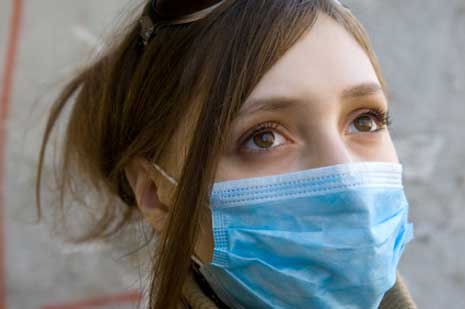
Air Pollution in Mexico City

Surprisingly little is known about the effects of big-city air pollution on olfactory function and even less about its effects on the intranasal trigeminal system, which elicits sensations like burning, stinging, pungent, or fresh and contributes to the overall chemosensory experience. 

Using the Sniffin’ Sticks olfactory test battery and an established test for intranasal trigeminal perception, we compared the olfactory performance and trigeminal sensitivity of residents of Mexico City, a region with high air pollution, with the performance of a control population from the Mexican state of Tlaxcala, a geographically comparable but less polluted region. 

We compared the ability of 30 young adults from each location to detect a rose-like odor (2-phenyl ethanol), to discriminate between different odorants, and to identify several other common odorants. The control subjects from Tlaxcala detected 2-phenyl ethanol at significantly lower concentrations than the Mexico City subjects, they could discriminate between odorants significantly better, and they performed significantly better in the test of trigeminal sensitivity. 

We conclude that Mexico City air pollution impairs olfactory function and intranasal trigeminal sensitivity, even in otherwise healthy young adults. 

Reference:    Guarneros M, Hummel T, Martínez-Gómez M, Hudson R., Mexico City Air Pollution Adversely Affects Olfactory Function and Intranasal Trigeminal Sensitivity, Chem Senses. 2009 Oct 9.

Patients with indoor exposure to molds compared to patients exposed to chemicals

Protection against molds

Neurobehavioral and pulmonary impairment in 105 adults with indoor exposure to molds compared to 100 exposed to chemicals 

Patients exposed at home to molds and mycotoxins and those exposed to chemicals (CE) have many similar symptoms of eye, nose, and throat irritation and poor memory, concentration, and other neurobehavioral dysfunctions. Aim of a study was to compare the neurobehavioral and pulmonary impairments associated with indoor exposures to mold and to chemicals. 

105 consecutive adults exposed to molds (ME) indoors at home and 100 patients exposed to other chemicals were compared to 202 community referents without mold or chemical exposure. To assess brain functions, the scientists measured 26 neurobehavioral functions. Medical and exposure histories, mood states score, and symptoms frequencies were obtained. Vital capacity and flows were measured by spirometry. Groups were compared by analysis of variance (ANOVA) after adjusting for age, educational attainment, and sex, by calculating predicted values (observed/predicted x 100 = % predicted). And p < .05 indicated statistical significance for total abnormalities, and test scores that were outside the confidence limits of the mean of the percentage predicted. 

People exposed to mold had a total of 6.1 abnormalities and those exposed to chemicals had 7.1 compared to 1.2 abnormalities in referents. Compared to referents, the exposed groups had balance decreased, longer reaction times, and blink reflex latentcies lengthened. Also, colour discrimination errors were increased and visual field performances and grip strengths were reduced. The cognitive and memory performance measures were abnormal in both exposed groups. Culture Fair scores, digit symbol substitution, immediate and delayed verbal recall, picture completion, and information were reduced. Times for peg-placement and trail making A and B were increased. 

One difference was that chemically exposed patients had excess fingertip number writing errors, but the mold-exposed did not. Mood State scores and symptom frequencies were greater in both exposed groups than in referents. Vital capacities were reduced in both groups. Neurobehavioral and pulmonary impairments associated with exposures to indoor molds and mycotoxins were not different from those with various chemical exposures. 

Reference: Kilburn KH, Neurobehavioral and pulmonary impairment in 105 adults with indoor exposure to molds compared to 100 exposed to chemicals, University of Southern California, Keck School of Medicine (ret.), Pasadena, CA, USA., Toxicol Ind Health. 2009 Sep 30.

Air Pollutants From Abroad a Growing Concern, Says New Report

Pollution respects no borders it travels across borders

Plumes of harmful air pollutants can be transported across oceans and continents — from Asia to the United States and from the United States to Europe — and have a negative impact on air quality far from their original sources, says a new report by the National Research Council.  Although degraded air quality is nearly always dominated by local emissions, the influence of non-domestic pollution sources may grow as emissions from developing countries increase and become relatively more important as a result of tightening environmental protection standards in industrialized countries.  

“Air pollution does not recognize national borders; the atmosphere connects distant regions of our planet,” said Charles Kolb, chair of the committee that wrote the report and president and chief executive officer of Aerodyne Research Inc.  “Emissions within any one country can affect human and ecosystem health in countries far downwind.  While it is difficult to quantify these influences, in some cases the impacts are significant from regulatory and public health perspectives.” 

The report examines four types of air pollutants: ozone; particulate matter such as dust, sulfates, or soot; mercury; and persistent organic pollutants such as DDT.  The committee found evidence, including satellite observations, that these four types of pollutants can be transported aloft across the Northern Hemisphere, delivering significant concentrations to downwind continents.  Ultimately, most pollutants’ impacts depend on how they filter down to the surface.  

Current limitations in modeling and observational capabilities make it difficult to determine how global sources of pollution affect air quality and ecosystems in downwind locations and distinguish the domestic and foreign components of observed pollutants.  Yet, some pollutant plumes observed in the U.S. can be attributed unambiguously to sources in Asia based on meteorological and chemical analyses, the committee said.  For example, one study found that a polluted airmass detected at Mt. Bachelor Observatory in central Oregon took approximately eight days to travel from East Asia.  

The health impacts of long-range transport vary by pollutant.  For ozone and particulate matter — which cause respiratory problems and other health effects — the main concern is direct inhalation.  While the amount of ozone and particulate matter transported on international scales is generally quite small compared with domestic sources, neither of these pollutants has a known “threshold,” or concentration below which exposure poses no risk for health impacts.  Therefore, even small incremental increases in atmospheric concentrations can have negative impacts, the committee said.  For instance, modeling studies have estimated that about 500 premature cardiopulmonary deaths could be avoided annually in North America by reducing ozone precursor emissions by 20 percent in the other major industrial regions of the Northern Hemisphere. 

For mercury and persistent organic pollutants, the main health concern is that their transport and deposition leads to gradual accumulation on land and in watersheds, creating an increase in human exposure via the food chain.  For example, people may consume mercury by eating fish.  There is also concern about eventual re-release of “legacy” emissions that have been stored in soils, forests, snowpacks, and other environmental reservoirs. 

In addition, the committee said that projected climate change will lead to a warmer climate and shifts in atmospheric circulation, likely affecting the patterns of emission, transport, transformation, and deposition for all types of pollution.  However, predicting the net impacts of the potential changes is extremely difficult with present knowledge. 

In the coming decades, man-made emissions are expected to rise in East Asia, the report says.  These increases could potentially be mitigated by increasingly stringent pollution control efforts and international cooperation in developing and deploying pollution control technology. 

To enhance understanding of long-range transport of pollution and its impacts, the committee recommended a variety of research initiatives, such as advancing “fingerprinting” techniques to better identify source-specific pollutant characteristics, and examining how emissions from ships and aircraft affect atmospheric composition and complicate the detection of pollution from land-based sources.  The committee emphasized developing an integrated “pollution source-attribution” system that improves capabilities in emissions measurements and estimates; atmospheric chemical and meteorological modeling; long-term, ground-based observations; satellite remote sensing; and process-focused field studies.  

Moreover, the committee stressed that the United States, as both a source and receptor of long-range pollution, has an interest in remaining actively engaged in air pollutants that travel abroad, including support of more extensive international cooperation in research, assessment, and emissions control efforts. 

The report was sponsored by the U.S. Environmental Protection Agency, National Oceanic and Atmospheric Administration, NASA, and National Science Foundation.  The National Academy of Sciences, National Academy of Engineering, Institute of Medicine, and National Research Council make up the National Academies.  They are independent, nonprofit institutions that provide science, technology, and health policy advice under an 1863 congressional charter.  Committee members, who serve pro bono as volunteers, are chosen by the Academies for each study based on their expertise and experience and must satisfy the Academies’ conflict-of-interest standards.  The resulting consensus reports undergo external peer review before completion.  For more information, visit National Academies  A committee roster follows. 

Reference: National Academy of Sciences, Air Pollutants From Abroad a Growing Concern, Says New Report, Washington, September 29. 2009


Harvard: Lead in bone associated with increased risk of death from cardiovascular disease in men

Patient with heart disease from lead


Growing evidence shows that exposure to lead in the environment is associated with cardiovascular disease, including increased risk of hypertension. However, those studies have looked at lead concentrations in blood, not bone lead, a better indicator of cumulative lead exposure over time. In a new study, researchers at the Harvard School of Public Health (HSPH) and the University of Michigan School of Public Health found that bone lead was associated with a higher risk of death from all causes, particularly from cardiovascular disease. It is the first study to analyze the association between bone lead and mortality.


The study appears online on September 8, 2009, on the website of the journal Circulation and will appear in a later print edition. 

“The findings with bone lead are dramatic. It is the first time we have had a biomarker of cumulative exposure to lead and the strong findings suggest that, even in an era when current exposures are low, past exposures to lead represent an important predictor of cardiovascular death, with important public health implications worldwide,” said Marc Weisskopf, assistant professor of environmental and occupational epidemiology at HSPH and lead author of the study.

Air pollution was the main source of lead in the environment in recent years, though it has been decreasing since leaded gasoline was banned in the U.S. in the mid-1990s. Most of the lead circulating in the body is deposited in bone and remains there for years, unlike blood lead, which has a half life of about 30 days. Since adverse effects from lead on the cardiovascular system would be expected to show up over time, the researchers expected that bone lead would be a better marker of chronic toxicity.


The researchers, led by Weisskopf and senior author Howard Hu, professor of environmental health, epidemiology and internal medicine at the University of Michigan School of Public Health, analyzed data from 868 participants in the Department of Veterans Affairs Normative Aging Study, a study of aging in men that began in 1963. Blood lead and bone lead—analyzed using X-ray fluorescence—were measured for each of the participants. The results showed that the risk of death from cardiovascular disease was almost six times higher in men with the highest levels of bone lead compared to men with the lowest levels. The risk of death from all causes was 2.5 times higher in men with the highest levels of lead compared to those with the lowest levels. The results appeared independent of age, smoking, education, race, alcohol, physical activity, BMI, high density lipoprotein or total cholesterol levels, hypertension or diabetes.


There are a number of mechanisms, such as increased oxidative stress, by which lead exposure may result in cardiovascular mortality, say the authors. They also note that, in addition to high blood pressure, exposure to lead has been associated with widened pulse-pressure (an indicator of arterial stiffening) and heart disease.


Given that bone lead may be a better biomarker of cumulative lead exposure than blood lead, it may be the best predictor of chronic disease from exposure to lead in the environment. “In addition to spurring further public health measures to reduce exposure to lead and to begin monitoring for cumulative exposure, mechanistic and clinical research is needed to determine if opportunities exist to conduct targeted screening and treatment that can further reduce the burden of cardiovascular disease for the millions of adults who have had years of elevated lead exposure in the past,” said Hu.


Reference:    Harvard School of Public Health, Lead in bone associated with increased risk of death from cardiovascular disease in men, Boston, MA, September 9, 2009

Life prevalence of upper respiratory tract diseases and asthma among children residing in rural area near a regional industrial park

Industrial Areas often ruin the Health of ChildrenThe study described was initiated by the Israel Ministry of Health as an effort to respond to and deal with public concern about possible health disorders related to odorous emissions (composed of a great many of organic and inorganic chemicals) from the regional industrial park (IP) in the Negev, southern Israel. Previous ecological studies found that adverse health effects in the Negev Bedouin population were associated with residential proximity to the IP. The objective of the current study was to investigate a hypothesis concerning the link between the IP proximity and life prevalence (LP) of upper respiratory tract chronic diseases (URTCD) and asthma in children aged 0-14 years living in rural Negev, Israel, in small agricultural communities.  

The cross-sectional study was conducted in 7 localities simultaneously during 2002. The following indirect exposure indicators were used: (1) distance (less than 20 km/ more than 20 km) from the IP (‘distance’); (2) presence (yes/no) of the dominant wind direction being from the IP toward a child’s locality (‘wind direction’); and (3) the child’s mother having made odour complaints (yes/no) related to the IP (‘odour complaints’). A 20 km cut-off point was used for ‘distance’ dichotomization as derived from the maximum range of ‘odour complaints’. This gave 3 proximal and 4 distant localities, and division of these by the ‘wind direction’ gave one versus two localities. The study population consisted of 550 children born in the localities. Medical diagnoses were collected from local clinic records. The following were included in the interviewer-administered questionnaire for a child’s parents: (1) demography (the child’s birth date, gender, mother being married or not, parental origin and education, number of siblings); (2) the child’s birth history (pregnancy and delivery) and breast-feeding duration; (3) the child’s parental respiratory health; and (4) environmental factors (parental smoking and occupational hazardous exposure, domestic use of pesticides, domestic animals, outdoor odour related to the IP emissions). For statistical analysis, Pearson’s chi(2), t-tests and multivariate logistic regressions were used, as well as adjusted odds ratios (OR) within a 95% confidence interval.  

The multivariate analysis showed that increased LP of URTCD in children of proximal localities was statistically significant when associated with odour complaints (OR = 3.76 [1.16, 12.23]). In proximal localities, LP of URTCD was higher (at borderline level statistical insignificance p = 0.06) than in distant localities (OR = 2.31 [0.96, 5.55]). The following factors were found to be related to the excess of the LP of URTCD: (1) father’s lower education (by distance: OR = 2.62 [1.23, 5.57]; by wind direction: OR = 4.07 [1.65, 10.03]); (2) in-vitro fertilization (by distance: OR = 3.03 [1.17, 7.87]; by wind direction: OR = 4.34 [1.48, 12.72]). In proximal localities, the increase in asthma LP was associated with: (1) wind direction (OR = 1.95 [1.01, 3.76]); (2) a child’s male gender (OR = 2.95 [1.48, 5.87]); and (3) a child’s mother’s having had an acute infectious disease during pregnancy (OR = 4.84 [1.33, 17.63]).  

An increased LP of chronic respiratory morbidity among children living in small agricultural localities in the Negev was found to be associated with indirect measurements of exposure (distance, wind direction and odour complaints) to IP emissions. These results, in conjunction with previously reported findings in the Negev Bedouin population, indicate a need for environmental protection measures, and monitoring of air pollution and the health of the rural population. 


Reference: Karakis I, Kordysh E, Lahav T, Bolotin A, Glazer Y, Vardi H, Belmaker I, Sarov B., Life prevalence of upper respiratory tract diseases and asthma among children residing in rural area near a regional industrial park: cross-sectional study, School of Public Health, University of Haifa, Haifa, Israel. Rural Remote Health. 2009 Jul-Sep;9(3):1092